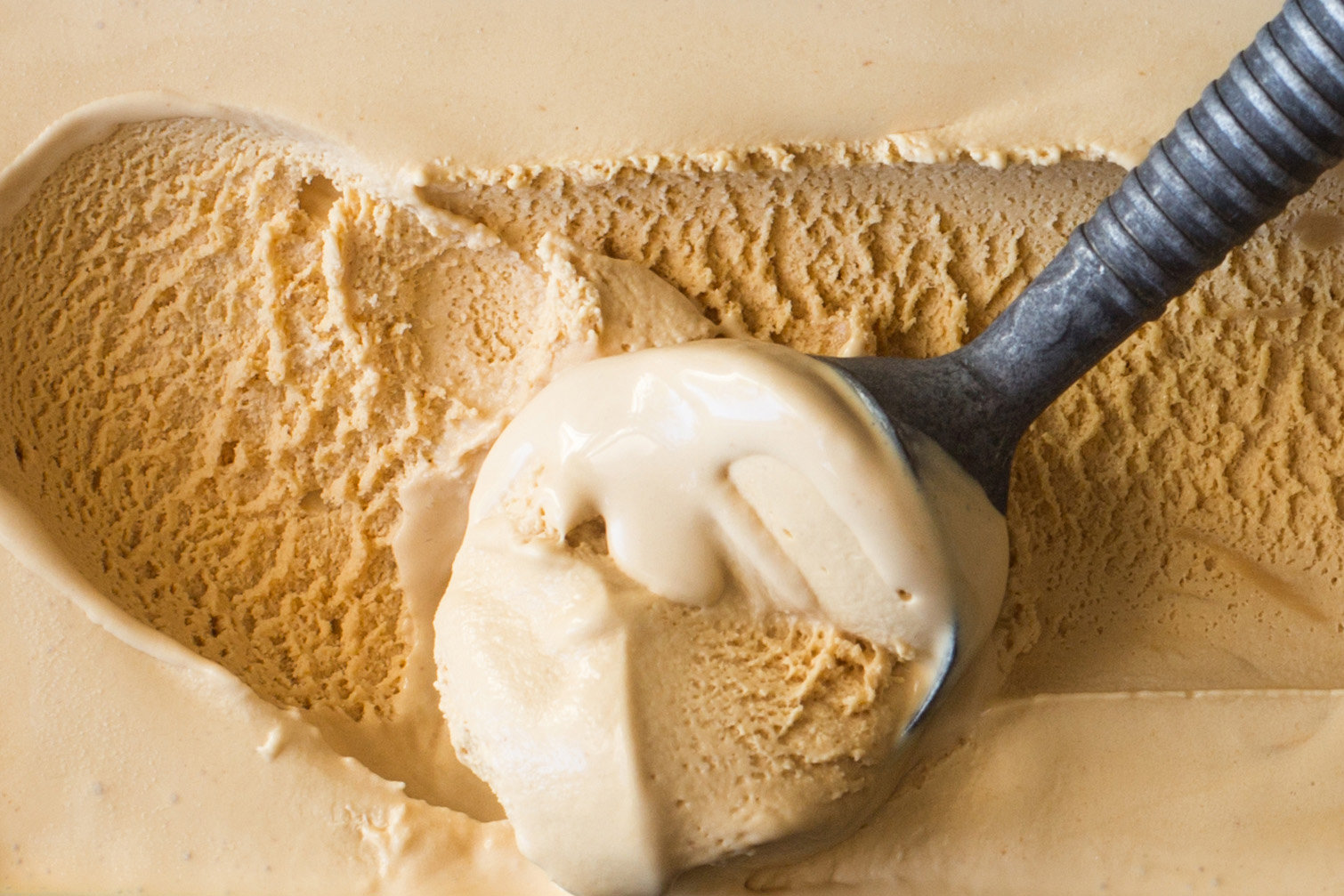
Mastering Salted Caramel Ice Cream: Custard & Caramel Tips
There are few culinary delights that capture the imagination quite like salted caramel. Its irresistible allure, a harmonious dance between sweet, salty, buttery, and a hint of nutty depth, transforms nearly anything it touches into pure gold. From decadent sauces to frosting, cakes, and even apples, salted caramel elevates the ordinary to the extraordinary. But perhaps its most transcendent form is found nestled in a scoop of luscious, homemade ice cream. This isn't just any ice cream; it's a rich, creamy, and profoundly satisfying experience that has captivated taste buds from Paris patisseries to bustling home kitchens. If you've been dreaming of crafting the ultimate
salted caramel ice cream recipe, one that rivals the finest artisanal versions, you've come to the right place. We're about to unlock the secrets to a truly luxurious treat, focusing on the critical techniques for both the custard base and the caramel itself.
The Foundation: Crafting the Perfect Custard Base
The secret to an unparalleled
salted caramel ice cream recipe often lies in its foundation: a rich, velvety custard base. This isn't merely an arbitrary choice; a custard-based ice cream offers a superior texture and mouthfeel that simply cannot be achieved with lighter, non-custard variations. The egg yolks emulsify the mixture, resulting in an incredibly smooth, thick, and silky consistency that resists iciness, melts beautifully, and coats the palate with its creamy richness. It's the difference between a good ice cream and an unforgettable one.
While the idea of separating multiple eggs might seem daunting, the luxurious results are undeniably worth the effort. A typical recipe might call for six egg yolks for approximately three cups of dairy, creating a robust and deeply satisfying base. However, for those seeking a slightly lighter texture without sacrificing too much richness, you can adjust the ratio: increase the milk and slightly reduce the cream, ensuring the total dairy volume remains consistent. You can also carefully reduce the number of egg yolks, but we strongly advise against going below three to maintain that essential custard character.
Tips for Custard Perfection:
*
Egg Separation: Separate eggs when cold, as the yolks are firmer and less likely to break. Let the yolks come to room temperature before tempering for smoother integration.
*
Tempering: This crucial step prevents scrambling. Slowly whisk a small amount of hot dairy mixture into your egg yolks, continuously whisking, to gently raise their temperature. Once warmed, gradually pour the tempered yolks back into the main dairy mixture.
*
Dairy Quality: Just as referenced in Parisian-inspired recipes, consider splurging on high-quality ingredients. European butter, with its higher fat content, can lend an even richer, more profound flavor to your base. Similarly, using good quality heavy cream and whole milk will contribute significantly to the overall texture and taste.
*
Stir Constantly: When cooking the custard, stir continuously with a wooden spoon or spatula, scraping the bottom and sides of the pot, until it thickens enough to coat the back of the spoon. This prevents scorching and ensures even cooking.
*
Straining: For the silkiest texture, always strain your finished custard through a fine-mesh sieve. This catches any tiny bits of cooked egg or impurities.
Mastering the Art of Caramelization
The heart of any
salted caramel ice cream recipe is, of course, the caramel itself. While rumors persist that making caramel is notoriously difficult, it's more about precision and attention than complexity. It's a delicate balance, and yes, it can be a little tricky for first-timers, but with the right approach, you'll be creating liquid gold in no time.
The key to perfect caramel lies in patience and knowing when to stop. Sugar, when heated, undergoes a magical transformation, deepening in color and flavor from sweet to complex, nutty, and slightly bitter. The most common pitfall is burning, which can happen very quickly.
Steps to Caramel Success:
1.
Choose Your Method: You can use a wet method (sugar + water) or a dry method (sugar alone). For beginners, the wet method often provides a bit more control, as the water helps dissolve the sugar evenly, reducing the chance of crystallization.
2.
Use a Heavy-Bottomed Pot: This distributes heat evenly and prevents hot spots that can lead to uneven cooking or burning.
3.
Don't Stir (Initially): For the dry method, resist the urge to stir once the sugar begins to melt; gently swirl the pan instead. For the wet method, you can gently stir until the sugar dissolves, then stop. Stirring can introduce crystals and cause the caramel to seize.
4.
Watch Closely: Once the sugar starts to color, it progresses rapidly. Keep a keen eye on it. You're looking for a deep amber, almost mahogany hue, but not burnt.
5.
The Critical Moment: Remove from Heat *Just Before*: This is perhaps the most important tip. Caramel continues to cook from residual heat after being removed from the stove. Take it off the heat *just before* you think it's perfectly done. If you wait until it looks exactly right on the burner, it will likely be overcooked or burnt by the time you add the cream.
6.
Adding Dairy: Carefully and slowly pour warm heavy cream into the hot caramel while whisking constantly. Be extremely cautious, as the mixture will bubble up violently. Adding warm cream helps prevent the caramel from seizing.
7.
Salt it Right: The "salted" aspect is crucial. Incorporate a good quality sea salt or kosher salt into your warm caramel sauce. The amount is a matter of personal preference, but a good starting point balances the sweetness without making it overtly salty. The goal is enhancement, not dominance. This rich, buttery and salty caramel sauce is so good, you might be tempted to stop the ice cream process and just eat it by the spoonful! (We won't lie, we've done it too.)
For an even richer experience, drawing inspiration from artisanal creations like
Homemade Salted Caramel Ice Cream: Rich, Creamy & Perfectly Balanced, consider adding a touch of vanilla extract after the caramel cools slightly.
Infusion & Integration: Flavor Beyond the Base
While the custard and caramel are the stars, the true artistry of a memorable
salted caramel ice cream recipe lies in its nuanced flavor profile and delightful additions. The smooth, buttery, sweet, salty, and almost nutty flavor of perfect caramel transforms everything it touches, but with a few extra steps, you can create a truly multi-dimensional experience.
Many renowned recipes, especially those fashioned after ice cream savored in Parisian shops, incorporate tiny bits of praline. These crunchy, caramelized nut pieces (often almonds or pecans) add an exquisite texture and an even deeper nutty complexity. When churned into the ice cream, these praline bits don't just stay crunchy; some turn delightfully gooey, creating pockets of rich, chewy caramel joy.
Integrating Praline and Other Delights:
*
Making Praline: You can make your own simple praline by caramelizing sugar and then pouring it over toasted nuts on a silpat or parchment paper. Once cooled and hardened, crush it into varying sizes – from fine crumbs to small, chewy chunks.
*
Adding to Ice Cream: Stir the crushed praline into your churned ice cream during the last few minutes of churning, or layer it in as you transfer the soft ice cream to your freezer container. This ensures even distribution and prevents it from sinking to the bottom.
*
Other Mix-ins: Don't limit yourself! Tiny chocolate-covered toffee bits, a swirl of extra caramel sauce (just before hardening), or even finely chopped pecans can complement the caramel beautifully.
The goal is to achieve a deep, creamy, and perfectly balanced sweet and salty flavor with those irresistible textural contrasts. This is the kind of ice cream you'll want to stash away and not share with anyone, as explored in the pursuit of
Salted Caramel Ice Cream: Paris Inspired with Gooey Praline Bits.
Churning, Freezing, and Serving Your Masterpiece
You've meticulously prepared your custard base and mastered the art of caramel. Now comes the exciting final stage of transforming these components into a frozen delight.
Churning and Freezing Tips:
1.
Chill Thoroughly: Ensure your custard base is *completely* chilled before churning – ideally for at least 6-8 hours, or even overnight. A well-chilled base churns more efficiently and results in a smoother final product.
2.
Follow Your Machine's Instructions: Every ice cream maker is slightly different. Adhere to your model's specific instructions regarding pre-freezing bowls and churning times.
3.
Don't Over-Churn: Churn until the ice cream reaches the consistency of soft-serve. Over-churning can lead to a grainy texture.
4.
Ripen in the Freezer: Once churned, transfer the soft ice cream to an airtight container and freeze for at least 4-6 hours (or overnight) to allow it to harden and "ripen." This step is crucial for developing its final texture and firmness.
5.
Prevent Ice Crystals: Press a piece of parchment paper or plastic wrap directly onto the surface of the ice cream before sealing the container. This minimizes exposure to air and helps prevent ice crystal formation.
When your masterpiece is finally ready, consider its companions. This ice cream deserves a partner in crime! A warm, fudgy brownie makes for an absolutely perfect pairing, creating a symphony of textures and temperatures. But honestly, a simple scoop (or two, or three) on its own is often the most profound way to appreciate the rich, buttery, and perfectly balanced sweet and salty flavors of your homemade salted caramel ice cream.
Conclusion
Embarking on the journey to create your own
salted caramel ice cream recipe is a rewarding culinary adventure. From the delicate art of crafting a silky custard base to the precise alchemy of caramelization, each step contributes to a final product that is far superior to anything store-bought. The effort, perhaps a bit of fuss with egg separation, or the careful watch over bubbling sugar, is undeniably worth it. The result is a luxurious, unforgettable dessert that truly balances sweet with salty, and richness with a surprising lightness. So go ahead, don't just dream of that perfect scoop – make it. Your taste buds (and anyone lucky enough to share) will thank you.